Material and Pattern Studio

Mikasa Design Studio turns color, material, and pattern into a usable table system.

This studio dashboard makes creative decisions measurable: palette balance, surface finish, setting count, replacement risk, and the visual role of every accent piece.
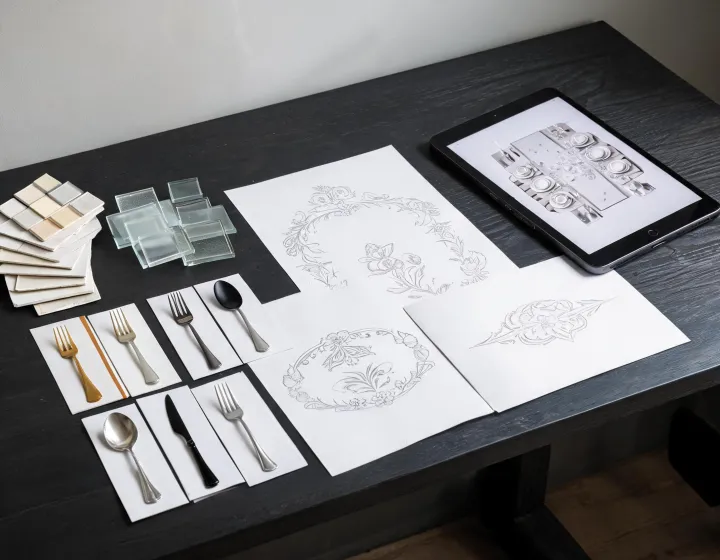
Mikasa material dashboard

Chart Grid

Design decisions become a clear material map.

The studio is for customers who want more than a product list. It explains why a white coupe plate can calm a patterned tablecloth, why a smoked tumbler may work better than clear glass under warm pendant light, and why a brushed flatware finish can soften a formal place setting. Each dashboard card focuses on a decision that affects the final room.

Palette6 Core Tones

Ivory, wine red, garden green, smoked glass, antique gold, and warm stone guide the collection edit.

Material4 Surface Families

Porcelain, lead-free glass, stainless steel, and decorative crystal are reviewed for care and contrast.

Pattern3 Scale Rules

Fine relief, botanical linework, and quiet rims are balanced so the table does not feel crowded.

Use8-12 Settings

Most home plans begin with a practical service count before adding hosting or holiday reserve.

Studio Notes

Reference sheets for material choices.

Instead of formal papers, Mikasa studio notes give practical comparison points a buyer can keep beside samples, mood boards, or registry lists.

PDF

Porcelain Body and Rim Guide

Explains coupe, rimmed, relief, and embossed profiles with plating and storage notes.

Request Guide
PDF

Glassware Clarity and Stem Height Sheet

Compares tumbler weight, stem silhouette, and display impact for dining rooms and bars.

Request Guide
PDF

Flatware Finish Matrix

Reviews mirror polish, satin finish, handle scale, and tablecloth contrast for coordinated settings.

Request Guide

Vertical Timeline

A studio path from sample to full setting.

Step 1

Collect the room cues

Photographs, paint chips, textile samples, and furniture finishes establish the color temperature and formality level of the table.

Step 2

Select the base dinnerware

The plate body sets the visual rhythm. We test rim width, glaze brightness, and stack height before accents are considered.

Step 3

Layer glass and flatware

Drinkware and utensils are selected for weight, reflection, and comfort so they support the plate rather than compete with it.

Step 4

Finish with decor accents

Vases, candle holders, frames, and garden entertaining pieces are added only where scale and maintenance still make sense.

Send your palette to the Mikasa Design Studio.

Share room images, favorite finishes, or an existing pattern name. We will return a tighter table direction with material notes and product families.